
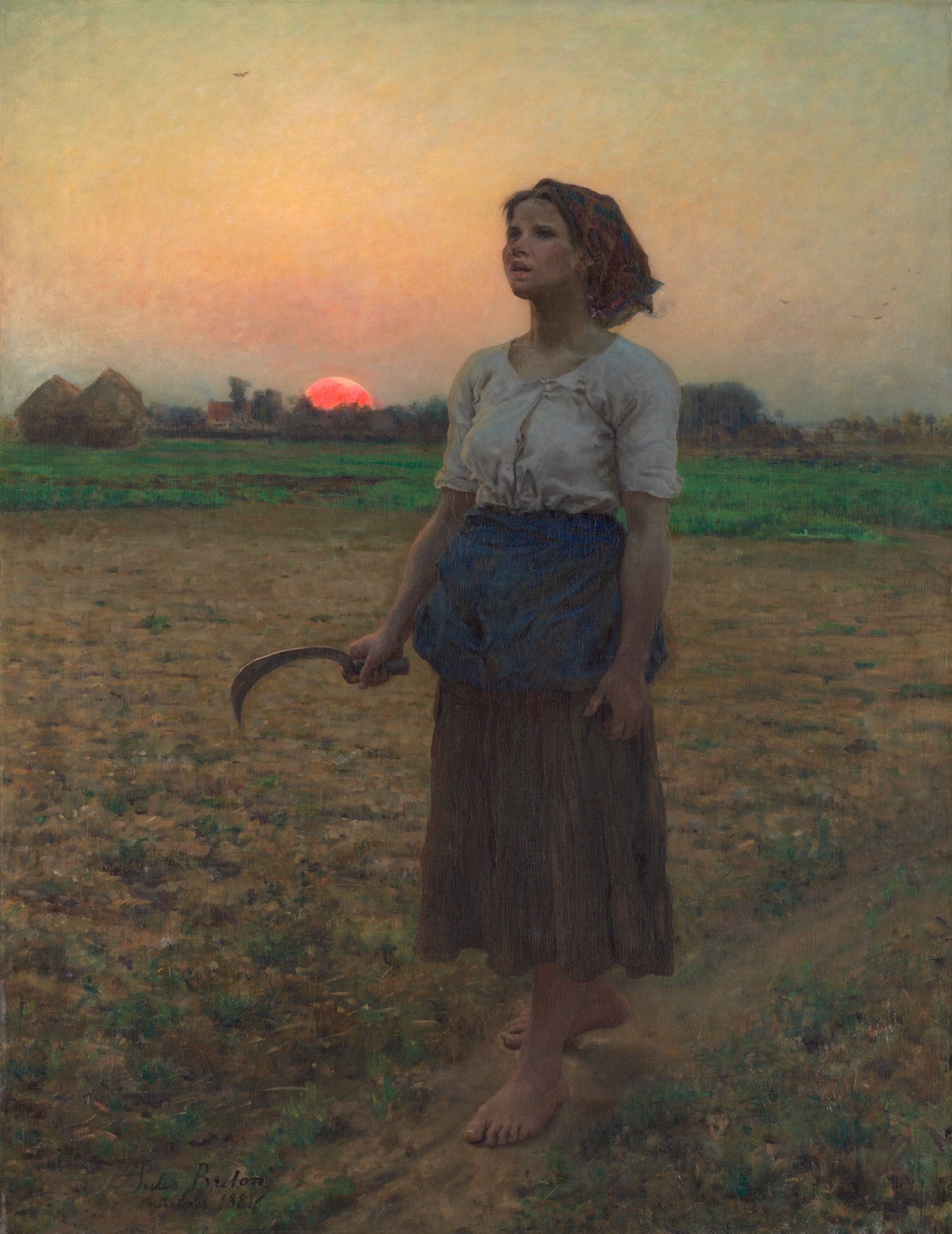
an article for the Cathedral Times
by the Rev. Dr. Thee Smith, Priest Associate
My friend used to tease me, “Why does an African American like you hang out with a Jew like me? Don’t you have enough troubles?” She wasn’t serious, of course. The humor gave us a chance to relish our connection. We joked that I was compounding my own problems by consorting with a Jew ‘while also being Black.’
However, in the 1980s in Berkeley, California, she could freely enjoy cataloging our differences: “I’m a Jewish, feminist, Marxist atheist, and you’re a Black, male, Christian theologian—ha!” she would chortle. “Ricky” was the nickname of Erica Sherover-Marcuse (1938-1988). She was a recent widow when we met, having married the Jewish émigré and leftist philosopher, Herbert Marcuse (1898-1979). I was a graduate student while she was editing her dissertation for publication.
The book, published in 1986, bore a title that still fascinates me, “Emancipation and Consciousness.” It even footnotes my related comment about African American religion and emancipation. More poignantly, Ricky autographed my copy with this memorable declaration: “For Thee, dear friend and colleague, in spite of and because of our differing perspectives.”
Ricky’s choice for the book’s jacket cover remains iconic for me: Jules Breton’s striking 1884 painting, “The Song of the Lark” (pictured to the left). A peasant woman holds a sickle loosely at her side. She hearkens to the song of a lark, barely visible above the sun rising on another workday in the fields. Still, we can imagine the lark’s song as it carries the woman into another world—and carries us along with her as we share a moment of freedom from the conditions and constraints of any given time and place.
Here we have a compelling example of how art can be religious or spiritual, whether or not it displays traditional symbols or content. Admittedly, the book’s content is about secular forms of emancipation and humanist forms of consciousness. My friend’s interests were not theological, faith-based, or spiritual. Nonetheless, just as our friendship bridged our differences and celebrated our diversity, I continue to draw on that friendship to affirm my own faith-based forms of emancipation and consciousness.
In particular, I apply her title theme and iconic book cover to affirm our shared humanity and our Christian declarations. Universal emancipation and shared consciousness are especially evident in this Sunday’s selection from St. Paul’s Letter to the Romans (8:19-25). Here the apostle extends to “the creation itself” our Christian revelation of resurrected life: resurrection as freedom from decay, death, and destruction.
For the creation waits with eager longing for the revealing of the children of God . . . in hope that the creation itself will be set free from its enslavement to decay and will obtain the freedom of the glory of the children of God . . .
Moreover, the verses that follow affirm our distinctively Christian focus on bodily redemption—as in Jesus’ resurrection.
And not only the creation, but we ourselves, who have the first fruits of the Spirit, groan inwardly while we wait for adoption, the redemption of our bodies. For in hope we were saved . . . But if we hope for what we do not see, we wait for it with patience.
Thus, as disciples of Christ we join all creation in waiting for freedom from our shared bondage to degeneration and decay. At the same time, we hold fast to the Christian vision of the “redemption of our bodies,” even as we already receive the “first fruits of the Spirit”: hope “for what we do not see” and the patience to wait for it. Thanks be to God!